Irregular Periods in Perimenopause - 2 Remedies
A typical menstrual cycle ranges from 27 to 32 days. But during perimenopause, many women notice their cycles begin shortening, sometimes arriving every two weeks, which can feel utterly exhausting both physically and emotionally.
Then, as we move toward age 50, you’ll notice your cycle lengthens again - up to 300 days!
Menopause is defined as 12 consecutive months (365 days) without a menstrual period. [source]
In essence, it’s one day.
The 365th day without bleeding ⎯ beginning the new season of life called post-menopause.
The years leading up to this transition can feel incredibly confusing because hormone fluctuations are often dramatic and inconsistent.
Why does this happen?
During perimenopause, ovulation becomes less consistent. Research shows that hormonal fluctuations (FSH rising) during this transition can lead to shorter luteal phases, lower progesterone levels, and irregular bleeding patterns. [source]
One of the most supportive things we can do during this stage is encourage healthy ovulation if you are still cycling. Internally, this will also support progesterone levels, your calming hormone, allowing you to sleep more from days 14 to 28.
We can only produce progesterone if we ovulate, which is why I encourage ovulation to quiet your symptoms.
Irregular periods effects on body
When your cycles become shorter or heavier, you may experience:
Increased blood loss and blood clots
Lower energy
Low iron and/or ferritin
Brain fog and confusion
By lengthening your cycle, you’ll reduce the FSH surges, reduce fatigue, and even blood clots.
There are two approaches we can take to lengthen your cycle.
Hormones, OR
Herbal: a botanical called Vitex Chaste Berry
1. Hormones for a short cycle
Ask for progesterone to help lengthen your cycle.
Progesterone is a bioidentical hormone that can be applied topically to the skin at night, or taken each night orally to improve your sleep.
Typically, you would take it days 14-28 of your cycle when you’re menstruating, but this could change as you progress into the late perimenopause and post menopause seasons.
Keep in mind, most physicians will offer you progestin, not progesterone.
Read this post to learn the difference: https://www.taragregorio.com/blog/bio-identical-hormone-therapy-vs-synthetic
2. Herbal: Vitex Chasteberry
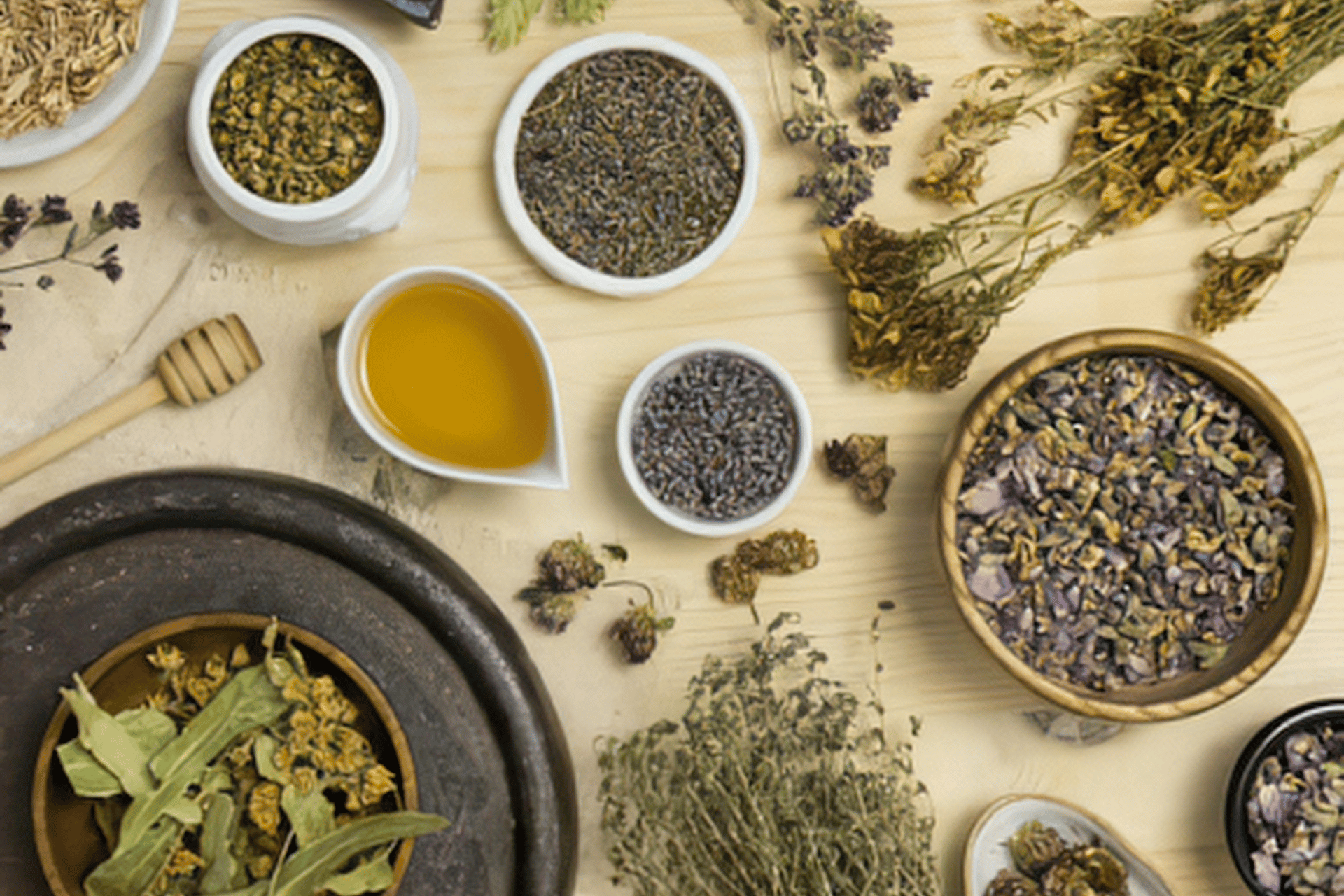
One of my favorite botanicals for supporting shorter cycles is Vitex agnus-castus, also known as Chaste Berry.
Vitex has traditionally been used to support progesterone production, ovulation, PMS symptoms, and menstrual irregularities. Clinical research suggests Vitex may help support hormone balance by influencing prolactin levels and supporting luteal phase function.
Vitex has been known to decrease follicle-stimulating hormone (FSH) levels by acting on the pituitary gland. [source]
However, there are important nuances with this herb, especially during perimenopause.
When cycles are shortening, I often recommend using Vitex only during the follicular phase:
Take Vitex from Day 7–14 only
Use 1–10 drops of tincture in the morning
Stop after Day 14
Observe whether ovulation improves and cycles begin to lengthen naturally
However, Vitex isn't appropriate for everyone. It can have unwanted effects, particularly in women with lower estrogen or when used at the wrong time in the hormonal transition.
===I wrote about it here: The Dangers of Vitex Chaste Berry.
I've also found that some women tolerate Vitex better when it's included in a blended formula with other botanicals, rather than taking Vitex on its own.
Search our Fullscript dispensary for Vitex Chasteberry tinctures or supplements.
In my health consultations, I’ve found that many women respond better to cyclical dosing than to continuous dosing all month long.
You can absolutely try blended tinctures or capsules, but sometimes this simple approach is enough to support healthier ovulation patterns.
The right protocol depends on your unique hormone patterns, stress levels, gut health, sleep, nutrition, and blood sugar regulation.
That’s what makes perimenopause so nuanced; no two women experience it the same way.
A Personalized Approach Matters
Every woman’s symptoms are influenced by:
Stress and cortisol levels
Blood sugar balance
Nutrient deficiencies
Sleep quality
Gut health
Lifestyle habits
Supplements and medications
Emotional stress and nervous system health
This is why generalized advice to “take HRT, it will help” often falls short during perimenopause.
I offer personalized health consultations where we take a deep dive into your symptoms, labs, lifestyle, and hormonal patterns to create a customized plan using herbal medicine, nutrition, supplementation, and lifestyle support.
You deserve to feel clear, energized, focused, and balanced again.
xo, Tara
References